How to Choose a Barcelona Helicopter Flight That Fits Your Plans
Choosing a vuelo en helicoptero barcelona is less about picking the first available seat and more about matching the flight to what you want to see, how much time you have, and how comfortable you want the whole experience to feel. A short city flight can be a bright introduction to Barcelona from above. A longer route may suit a special occasion or a visitor who wants a clearer sense of the city layout. The best choice usually comes down to a few practical decisions made in the right order.
Start with the reason for the flight
Before looking at flight names or route descriptions, decide what matters most. Some people want a vista panorámica of the coastline and the city, while others care more about seeing landmarks from a new angle. A first visit may call for a route that covers the most recognisable parts of Barcelona. A return visit may be better with a flight that lingers over a particular area.
It also helps to be honest about comfort. Helicopter flights are short compared with many other tours, but they still involve takeoff, turning, and landing. If the idea of height feels unfamiliar, a shorter flight with a clear route may be easier to judge than something longer. If the aim is photography, weight, seating position, and light direction may matter more than the length of the ride.
Decide which views you want to prioritise
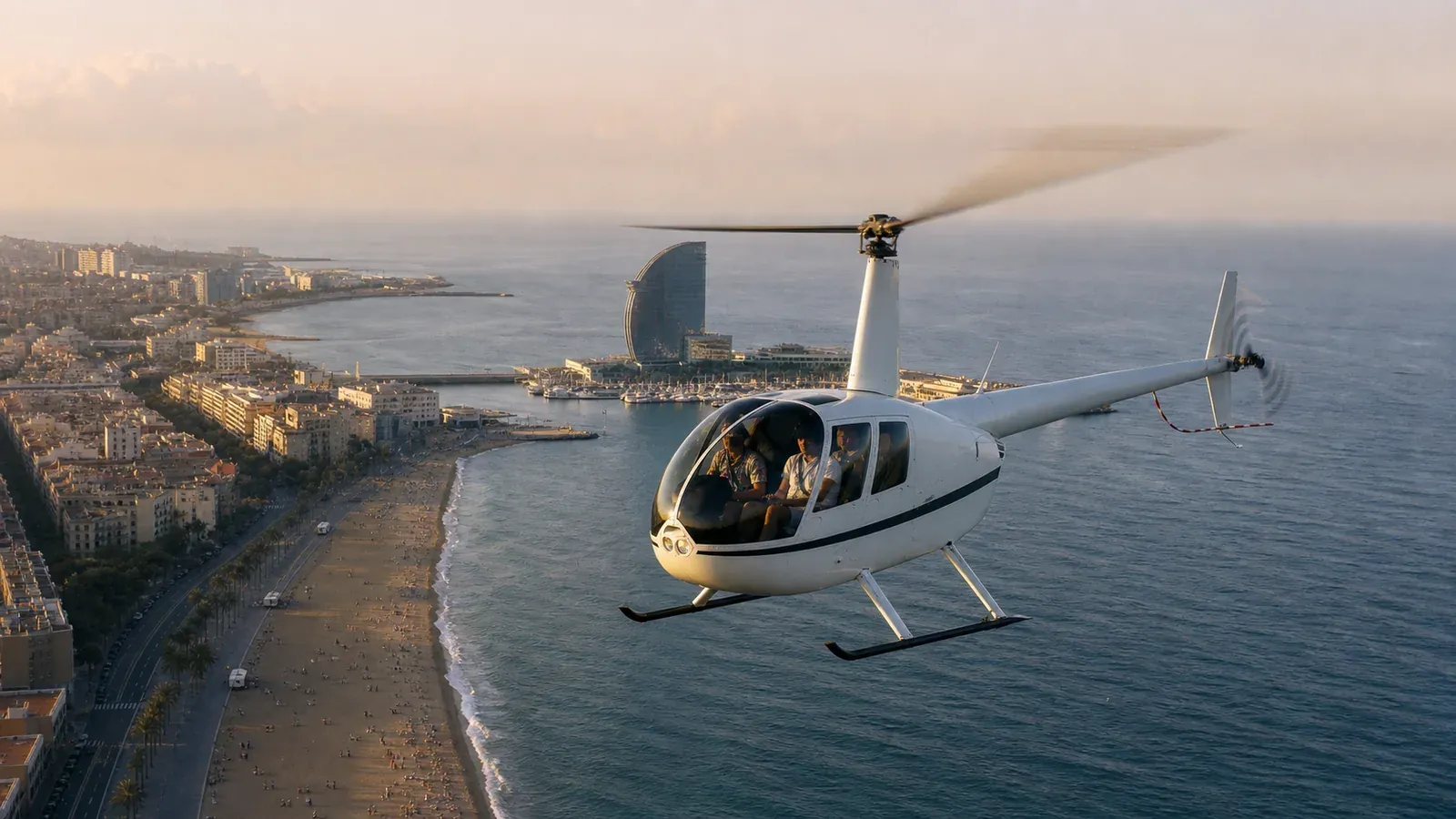
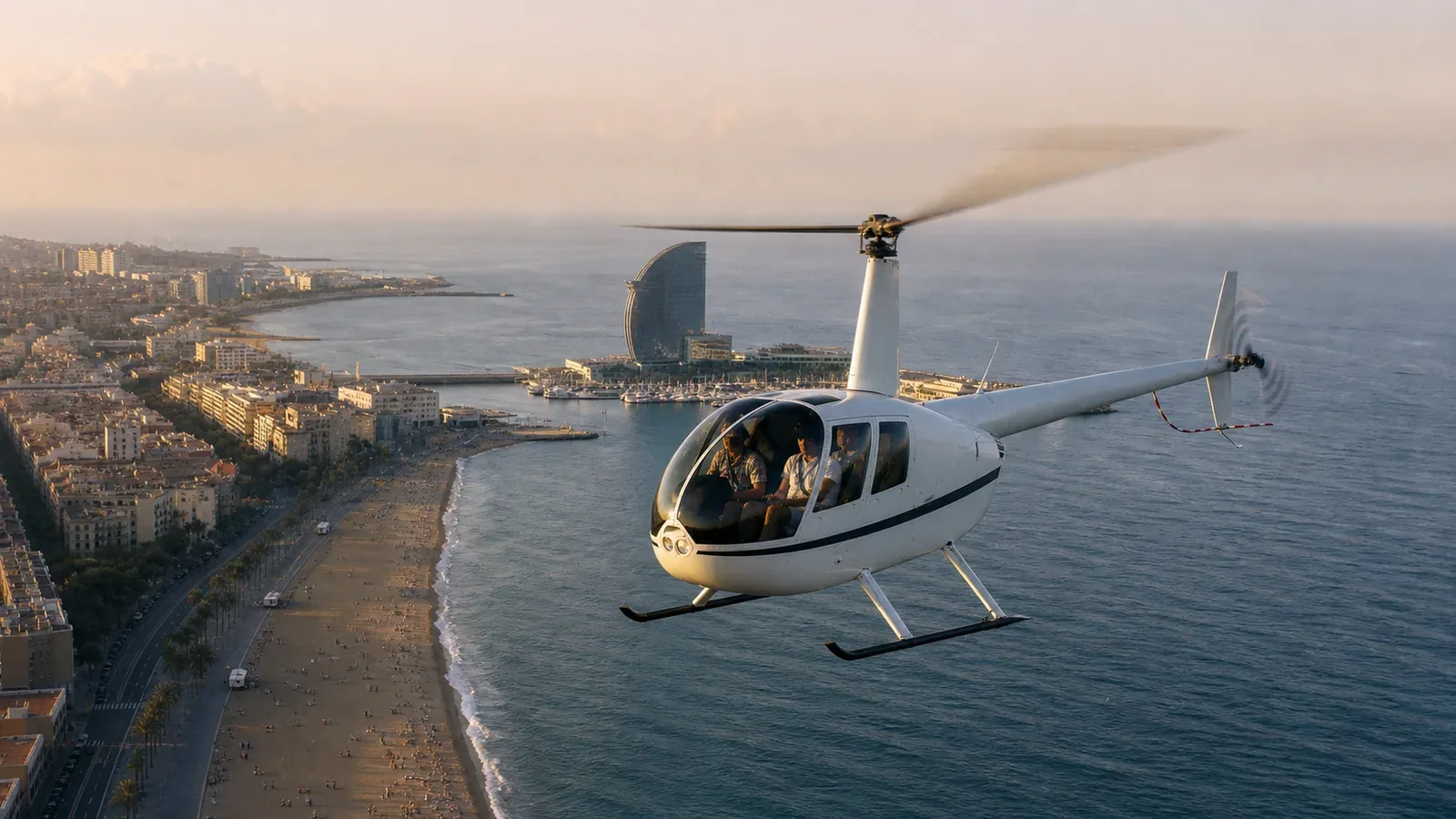
Barcelona rewards an aerial view because the city has several distinct layers: the dense street grid, the coastline, the hills, and the historic centre. When comparing options, look at the ruta de vuelo and ask what the route is designed to show. A route focused on the sea may give broad views of the waterfront and the horizon. A route over the centre may place more emphasis on well-known buildings and the pattern of the streets.
Check whether the description mentions the places you actually hope to see. Avoid assuming that every flight covers every landmark. Views also depend on conditions on the day, so a route should be judged on its overall character rather than a promise of one perfect sight. If the flight is tied to a celebration or a specific photo, choose a route that gives the subject enough time rather than one that passes quickly.
Compare the duration with your day
La duración del vuelo is one of the most useful details, but it needs context. The time in the air may be only one part of the visit. Arrival, check-in, safety briefing, boarding, and time after landing all shape how the experience fits into a day. A short flight can still feel well paced if the rest of the visit is organised. A longer flight may feel rushed if it is squeezed between other plans.
When reading a duration, look for whether it refers to time in the air or the full visit. If the wording is unclear, ask before committing. Leave space after the flight rather than scheduling the next activity too tightly. That extra time makes the experience easier to enjoy and gives room for delays that can happen in busy city settings. For families or groups, a clear start and finish also helps everyone know what to expect.
Check the aircraft and seating details
El modelo de helicóptero can affect the view, the feel of the flight, and how the group is seated. Different aircraft have different window sizes, cabin layouts, and seating arrangements. Some seats may offer a wider view, while others may be better balanced for weight and comfort. If your group includes children, older travellers, or someone with limited mobility, seating and boarding details deserve attention before booking.
Ask how many passengers share the flight and whether seats are assigned. A smaller group can feel more personal, while a fuller aircraft may still work well if the route and timing suit you. If you are taking photographs, think about where you will sit and whether a window seat is possible. It is also wise to ask about luggage rules, since space is usually limited and bulky bags may not fit comfortably.
Read the safety information carefully
Safety should be part of the choice, not an afterthought. A reputable provider will give instrucciones de seguridad before boarding and explain what passengers need to do during takeoff, flight, and landing. Pay attention to these instructions, and ask questions if anything is unclear. Common points include fastening the seat belt, keeping doors closed, following the pilot's directions, and handling cameras or loose items carefully.
During the booking stage, check that the operator is properly authorised and that the pilot's role is clear. A qualified piloto should be able to explain the general format of the flight in plain terms. Be cautious with any description that seems vague about safety or ignores passenger preparation. If weather or visibility raises concerns, responsible decisions may include changing the time or rearranging the flight. Flexibility is part of good planning.
Understand the meeting point and landing area
The zona de aterrizaje matters more than many first-time flyers expect. It sets the tone for arrival, boarding, and departure. Check where the flight begins and how easy it is to reach from your plans in the city. Allow time for transport, especially if you are coming from another part of Barcelona or arriving from outside the city.
When comparing options, look at the full meeting arrangement rather than only the flight time. Is there a clear place to gather? Are passengers expected to arrive in advance? What happens if someone is late? These details can shape the day as much as the route itself. Helicopter Tour Barcelona may appear when searching online, but the practical choice still depends on clear logistics, sensible timing, and a route that matches your interests.
Look closely at what is included
Two flights with a similar description may not offer the same overall experience. Read the inclusions and exclusions line by line. Check whether the price shown covers the flight only, whether there are add-ons, and what conditions apply to changes. Avoid making assumptions about extras, because terms can vary widely.
If you are choosing between several options, make a simple comparison of the main points: route, duration, aircraft type, group size, meeting arrangement, and passenger requirements. This keeps the decision grounded. A cheaper option is not always the best fit if it means a route you do not want or a schedule that creates stress. A better organised option may be worth choosing when it makes the day smoother.
Match the flight to the season and time of day
Light changes the way Barcelona looks from the air. Morning flights can feel calm and clear, while later flights may bring warmer tones and a different mood. The coast, the hills, and the city centre all look different depending on the angle of the sun. If photography matters, consider where the light will fall and whether the route faces the sea or the inland side.
Weather is another practical factor. Wind, cloud, and visibility can affect how a flight feels and what can be seen from above. This is why the best plan keeps some flexibility. If a chosen day looks unsettled, ask about the options before travelling across the city. A clear view is often more valuable than a fixed hour.
Make the final choice with a clear head
By this stage, the decision should be less about vague impressions and more about fit. Choose the flight whose route, duration, aircraft details, safety information, and meeting arrangements line up with your plans. Read the terms again before confirming, then keep a record of the main details so you can check them later.
A well-chosen vuelo en helicoptero barcelona feels straightforward from the start. You know where you are going, what you are likely to see, how long the visit should take, and what is expected of you as a passenger. Helicopter Tour Barcelona is one name you may come across while comparing choices, but the right pick is the one that suits your reasons for flying and leaves enough room in the day to enjoy the city afterwards.